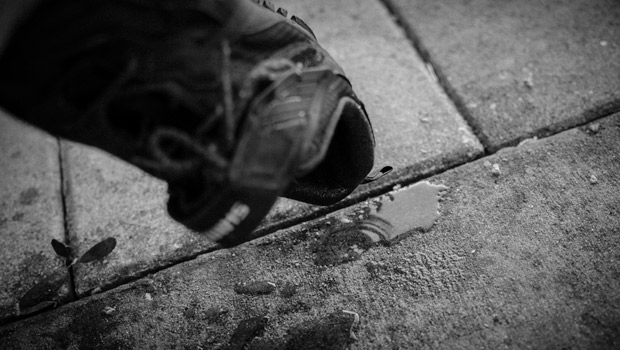
Wet shoes are part of bikepacking sometimes—through a long rain day, a stream crossing, or a humid camp that never quite dries out. The goal is not to promise dry feet on every mile. It is to use camp time well so the next morning starts more comfortable and with a little less moisture to manage.
This old field note still has the right idea: a small drying routine can make a rough weather day feel more manageable. It is especially useful on a simple overnighter, where a few minutes of care at camp can reset the whole next day.
Make camp your reset point
Once shelter is up and the bike is parked, take a moment to deal with shoes instead of leaving them sealed up until morning. Remove any loose dirt, open the shoe as much as its design allows, and set it somewhere protected with airflow. Keep it out of direct high heat or an open flame; follow the shoe maker’s care guidance if you are unsure.
Use clean, dry paper to absorb moisture
One of the most useful low-cost tricks is plain, clean paper. A free newspaper from a resupply stop—or a few sheets of packing paper carried for a wet forecast—can be loosely stuffed into a shoe overnight. It gives moisture somewhere else to go without adding much weight or complexity.
For shoes that are truly soaked, replace the paper once before bed if you have enough. In the morning, pull it out, open the shoe again, and let it air while you handle breakfast and the rest of camp. It may not be perfectly dry, but it is usually a better place to start.
Keep tomorrow’s socks protected
Dry socks are a small morale boost on a damp trip. Keep the pair you want for morning in a reliably dry bag, not in the same pocket as wet shoes or rain gear. If you carry more than one pair, rotate them deliberately rather than hoping a wet pair will somehow recover while buried in the load.
Pack so wet gear is easy to isolate
A small bag or separate outer pocket for damp shoes, rain layers, and used paper keeps the rest of the kit from becoming a wet bundle. The same simple organization principle helps across the whole bike: put messy, wet, or frequently needed items where they can be reached without unpacking everything.
A realistic wet-weather plan
There is no clever packing trick that defeats a full day of rain. The practical win is making the next stop easier: protect a dry layer, use airflow and absorbent paper at camp, and start the morning with the best version of the gear you already have.
Pair this routine with the hammock rain test for a simple look at keeping camp dry, and with the bikepacking-on-a-budget guide for a first-overnight kit that earns its place. For an easy low-stakes test of both systems, start with the sub-24-hour shakedown.
The takeaway: on wet rides, aim for a better reset—not a perfect one. A few intentional minutes at camp can make tomorrow’s first miles feel far more civilized.